About · Founder & CEO · Fractional CTO
Everything was
leading here.
The bridge between deep tech and the boardroom — twenty-five years that quietly became a single thesis: I build autonomous systems people can trust, and make the market believe it.

Start here
Where would you like to go?
A quick map of the rest of the site — pick the door that fits why you came.
The Portfolio
24 production AI platforms — proof, not promises.
The Possible
The build-tank & manifesto — launched 2026; building trust for the autonomous age.
Consulting
Fractional CTO & AI rapid-prototyping — idea to working software in days.
For investors
The thesis, the moat, and the ask.
CV & decks
My CV and credentials — preview, or request access.
Start a conversation
Partnership, advisory, or building something together.
The moonshots
Two bets that are not hedged.
Most of the portfolio earns its keep. Two of them are trying to be right about something before the rest of the market is — one on a ten-year horizon, one on a twelve-month one.
The long moonshot
MiFamilias
A trust-based digital society — private, invite-only, and built for families rather than advertisers. In quiet beta with invited families. The largest long-term upside in the portfolio, and the one that takes the longest to be right about.
The near moonshot
Silo
Runtime security and governance for AI agents, below the API: a working product on macOS, Linux and Windows with a live control plane. The category formed while I was building it, and the incidents keep proving it should. The near-term engine.
I'm Justin James — a visionary, a fractional CTO, and a MarTech founder and innovator — equal parts engineer, architect and storyteller. Raised across Hertfordshire and Yorkshire, I was bridging two worlds long before it became a job description. For 25+ years, across silicon, banking, defense and marketing technology, I've been circling the same question: how do complex systems stay trustworthy as they grow autonomous? Agencie.io Labs is the answer — built out.
None of it was a detour; it was accumulation. The Royal Navy and the early Oracle, Microsoft and HP years — Itanium silicon, the Windows kernel — gave me the metal. Working through partners, on the floor inside Credit Suisse, Lloyd's of London and Threadneedle gave me scale and consequence. BAE Systems gave me adversaries. A national payments platform at IFX and a $100M modernisation at Cognizant gave me the discipline of systems that cannot fail. And marketing technology gave me a conviction strong enough to patent it — an AI-powered MarTech invention, filed in 2021, well before the rest of the market arrived.
I'm building the next layer — and I'm open to the right offer to build it together. I arrive with 25+ years and a working portfolio of production AI platforms; in the right space, that makes me a massive accelerator — not just another hire. As founder and CEO of Agencie.io Labs I've shipped that portfolio on zero outside investment — the only external backing being AWS's sponsorship of Bertha. British, based in Bangkok with my family with networks across Singapore and London, I also work as a fractional CTO and innovation partner, and I'll consider the right founding, leadership or advisory role. The platforms span how autonomous systems observe, predict, decide, act and govern — from silicon to cortex. The career became a thesis. The thesis became a portfolio.
I'll name the fair critique of a career this wide before anyone else does: intelligence and breadth can be the same thing as never committing — the builder who sees sixteen viable paths and quietly starts all of them. I know that trap from the inside, because markets don't pay for intelligence; they pay for legible value delivered to someone with a budget. The rarer discipline isn't being clever — it's being clever and still willing to do the illegible, repetitive, unglamorous part: pick one thing, sell it before it's perfect, keep selling it, own the equity. That's the move underneath all of this — and Silo is the door I've walked through and let the others close behind. Which is the part that actually matters to you, not me: I don't sell intelligence, I sell outcomes. I'm the person who makes the people he works with more successful — ship what's been stuck, grow the number that matters, own the upside. That's the whole job.
The arrangement
A gun for hire — for the right role.
For the right founding, leadership or advisory seat, I'm in. But I don't show up empty-handed. I arrive with my own arsenal — a working portfolio of production AI platforms and the tooling behind them — which makes me an accelerator on day one, not just another hire. The Possible and Agencie.io Labs carry on as an ongoing concern alongside the work — call that the small price of hiring someone who brings the whole lab with him. The upside compounds on your side of the table.
And yes — “gun for hire” might make a buttoned-up recruiter wince. If it does, we're probably not each other's people, and that's perfectly fine. The right team hears it for what it is: I'm all in, I bring my own kit, and I'd rather be honest about both over a coffee than oversell it on a CV.
The track record — in three acts
Act I
Foundations
Royal Navy, then Oracle, Microsoft and HP — including the Windows core kernel and Intel Itanium. A data-centre and systems discipline that still shapes how I architect today.
Royal Navy · HMS Endurance
Technical and mapping roles on Antarctic survey deployments — a first education in mission-critical systems under hostile conditions.
Oracle · Microsoft · Hewlett Packard
Authored 'Tuning Oracle on Windows'. Intel Itanium processor development and the Windows core kernel team on a world's-fastest-computer build. Two decades of data-centre, performance and high-availability foundations.
Act II
The enterprise-architect years
High-availability financial-services platforms, multi-data-centre consolidation, fraud and defence — and a national-scale payments build.
SunGard · Balfour Beatty · Linklaters
Enterprise architecture across multi-data-centre estates and regulated financial workloads — on the floor, brought in through partners, inside Credit Suisse, Lloyd’s of London and Threadneedle.
BAE Systems Applied Intelligence
Bad-actor identification, predictive behavioural analysis and fraud detection on regulated big-data and ML pipelines for government and finance.
Linklaters — AI for the legal elite
Led an AI initiative — including an IBM Watson project — to disrupt and elevate the high-end, boutique legal industry. Late that year I first read the OpenAI work that would set the next decade in motion.
IFX International — AnPost Money
Chief Architect on a national-scale, full-stack Kubernetes payments platform for Ireland’s postal bank. Built for circa €30M and sold in 2022 for €168M.
Act III
Director & founder
Leading $100M+ programmes and 30+ teams at Cognizant — then building the Agencie.io Labs AI portfolio from the ground up on AWS and Anthropic.
Cognizant — Director, Solution Architecture
Led a $100M Swiss-bank cloud modernisation and adtech transformation, building and guiding delivery teams of 30+.
Ladbrokes-Coral · Unicorn XP
Post-merger, low-latency trading-platform redesign; brand-experience innovation for Bentley Motors and Fiat.
Agencio — CEO & Chief Product Architect
Founded and lead Agencie.io Labs — Bertha plus a portfolio of production AI platforms, AWS-sponsored, Kubernetes-native, multi-tenant by design.
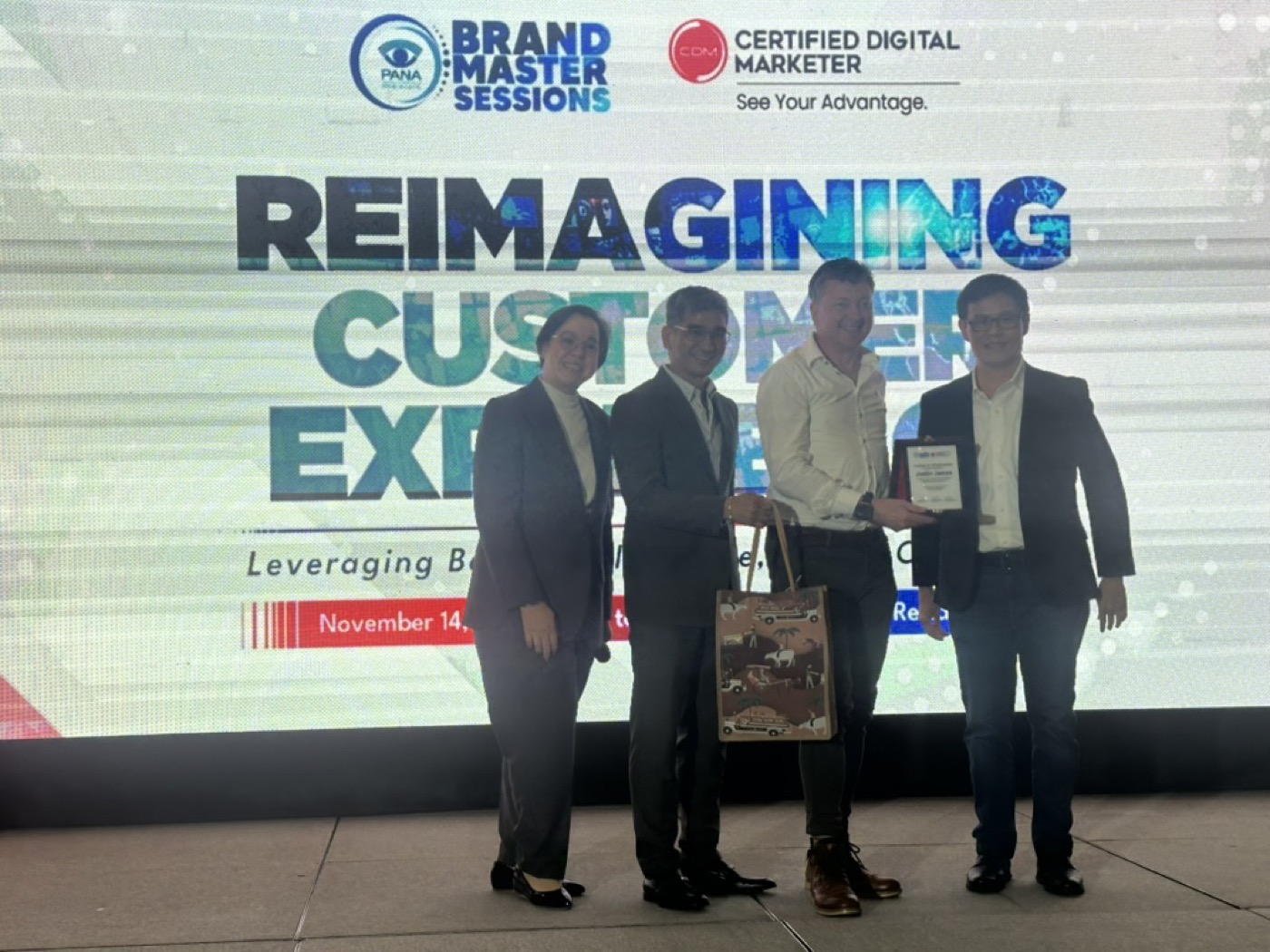
AI-MarTech patent (filed 2021) · TOGAF Certified (2015) · Cambridge University Judge Business School — Post-Graduate, Platform & Ecosystems Design (2021) · George Washington University — Business & Project Management · Keynote speaker — Digicon, CMA, Philippines AI Economic Forum.
Across the verticals
Range that compounds, not dilutes.
On paper it looks like spread — marketing, enterprise technology, banking and finance, construction, law, defence. It isn't scatter; it's a single education in how complex systems really work. Regulated finance and law taught rigour and consequence. The technology providers taught scale and the metal. Construction taught delivery under constraint. Marketing taught the human end. Autonomous systems sit at the intersection of all of them — they need the rigour, the scale, the delivery and the humanity at once. The breadth isn't diluted diversity; it's the exact combination the work demands.
Marketing & AdTech
The human end — brand, customer experience and the reach that gets the work to the people it is for.
Technology Providers
Scale and the metal — from the Windows kernel and Itanium silicon to enterprise transformation and defence-grade intelligence.
Banking & Finance
Rigour and consequence — high-volume systems that cannot fail, under regulation and real money.
Construction
Delivery under real-world constraint, across a multi-data-centre estate at infrastructure scale.
Legal
Precision, confidentiality and governance for a leading global law firm.
Being a Founder
The school of frugality and abstract poverty — sales, partnerships and stress, managed; 25 hours a day, 8 days a week, and getting things done anyway.
These are organisations I've worked in or delivered for across a 25-year career — as an employee or through partners. They're roles and engagements, not clients or endorsements of Agencie.io Labs.
The human bit
“I'm hearing-impaired and dyslexic — and I've turned both into an unfair advantage.”
The hearing is tinnitus, like a lot of people carry — a souvenir from the armed forces, the loud music of the '90s, and too many miles on a motorbike without earplugs. Some things in life have a way of catching up with you. But living with constant noise teaches you to find the signal in it — and to listen on purpose. I can't fake attention, so I give it fully and read the room as much as the words. That's half of any embedded architecture role.
Dyslexia, for me, is critical thinking and spatial awareness: I think in pictures and systems before words, and I tend to see the architecture — and the failure mode — before the sentence. School never quite knew what to do with that, so I left at sixteen to make my own way in the world. It was never a ceiling, though — just a different route up. Diagnosed dyslexic later, I went back through night school for A-Level Chemistry and Human Biology, came out with A grades, and went on to a postgraduate qualification at Cambridge. The thing most dyslexic minds share — spotting the connections and systems others miss — counts for far more in architecture, strategy and building companies than fast reading or tidy spelling ever did.
And I'm in good company: Richard Branson, IKEA's Ingvar Kamprad and Charles Schwab all built empires with it. I'm not putting myself in their league — just making the point that it's a feature, not a bug. Plenty of founders suspect it runs higher in tech and entrepreneurship than the numbers show: people quietly build their own workarounds and never get the label. So if an email from me is short or the spelling is creative, that's the feature talking.
See the wider roster
Business
- Richard Branson — Virgin
- Ingvar Kamprad — IKEA
- Charles Schwab
Film & TV
- Steven Spielberg
- Tom Cruise
- Whoopi Goldberg
- Keanu Reeves
- Jennifer Aniston
Writers
- John Irving
- Dav Pilkey
Sport
- Muhammad Ali
- Magic Johnson
Often cited — though debated
- Albert Einstein
- Steve Jobs
- Thomas Edison
- Winston Churchill
Openly dyslexic or publicly self-identified — except the last group, who are often cited but where the evidence is genuinely debated. Knowing the difference is rather the point.
And the bridge isn't only in the work — it was set early. Growing up across Hertfordshire and Yorkshire, I spanned the south and the north of a divided England long before bridging worlds was ever a job; the compass was set young — south to north, west to east. Years later, in London, I met my wife — Filipina, a marketing exec, and the kind of person who nurtures, pushes and never gives up. Our five-year-old son is English-Filipino. Today we live in Thailand as a family, after two and a half years in Singapore — three cultures under one roof, with ties from the UK to the Philippines. Being based between East and West isn't a compromise — it's a deliberate seat at the table, one I've lived at home before it's ever offered to a client.
On people
“There's only one person on this planet who can be the best version of you. And that's you.”
I've always had a fairly simple view of people. I don't really care how you dress, what you look like, where you come from, what beliefs you hold, or what flag you choose to wave — if any at all. What I care about is whether you're being genuine. The best version of you isn't a copy of someone else. It's you.
If I'm heading into theatre for open-heart surgery, I don't care about the surgeon's background, appearance, accent or identity. I want the best person for the job. It's really that simple.
None of us are the best at everything. We all have strengths, blind spots, talents and things we struggle with. That's not a flaw in humanity — that's the point. A great team isn't built from identical people; it's built from people whose strengths complement each other's weaknesses. Less like clones, more like the Avengers.
For me, equality has never been about making everyone the same. It's about recognising that everyone has value, everyone has something to contribute, and everyone deserves the chance to bring their authentic self to the table. So be yourself, bring your strengths, be honest about your weaknesses, and find people whose strengths complement yours.
The only thing I find a little sad is that, in this day and age, I still occasionally feel the need to say it out loud: judge people by their character, by their actions, and by what they contribute — not by the packaging they arrived in.
Behind the work
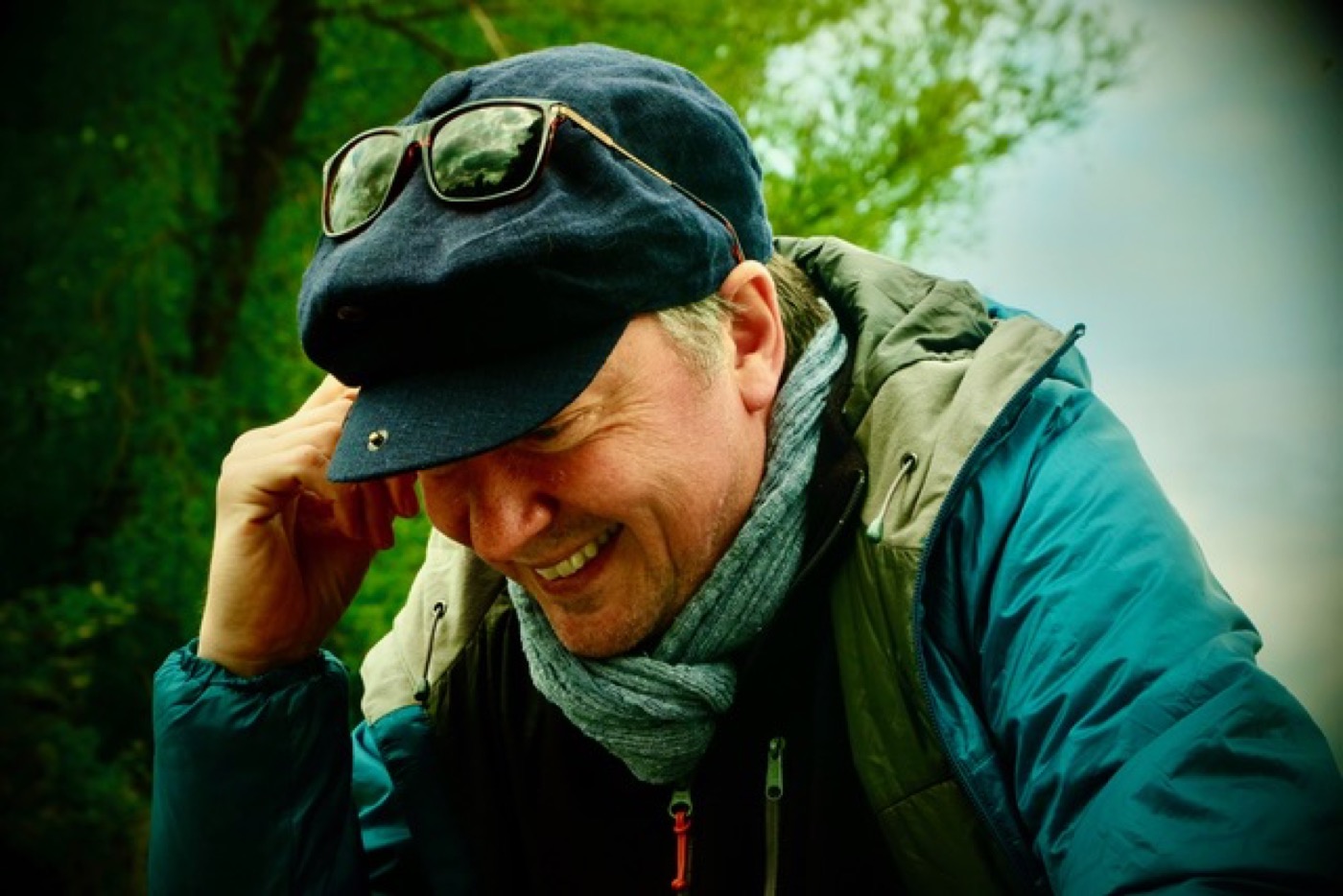
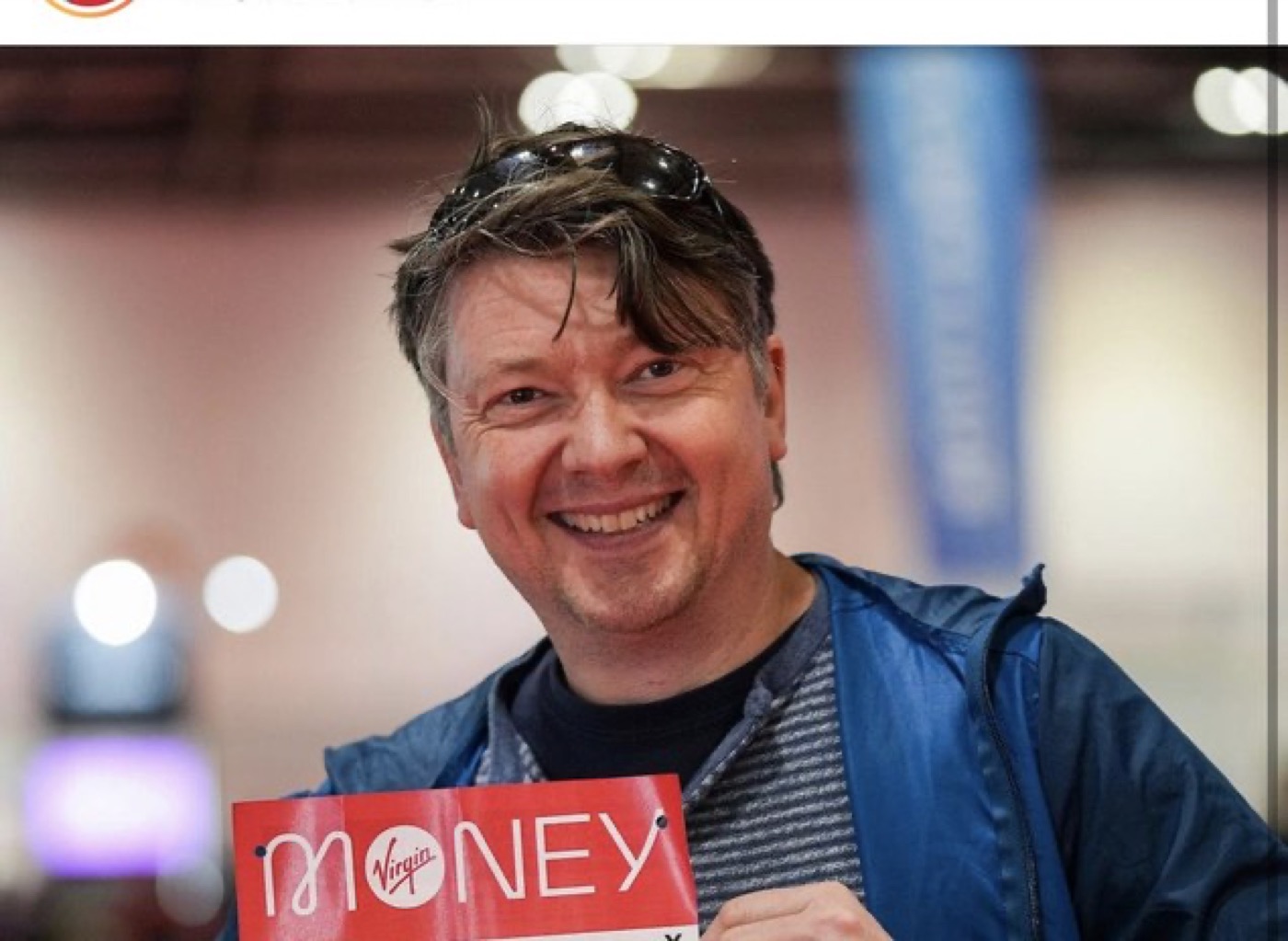
The human behind the systems.
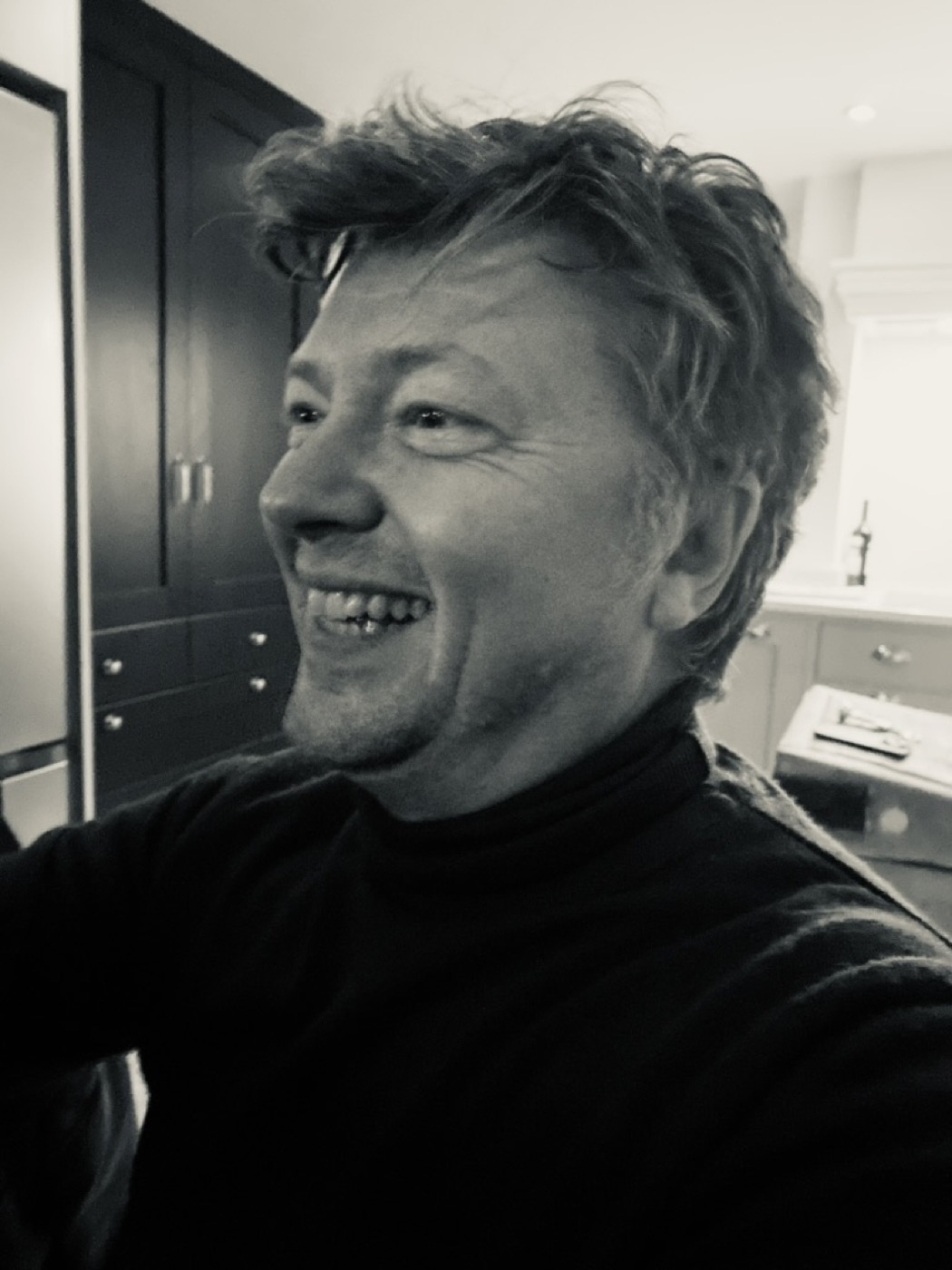
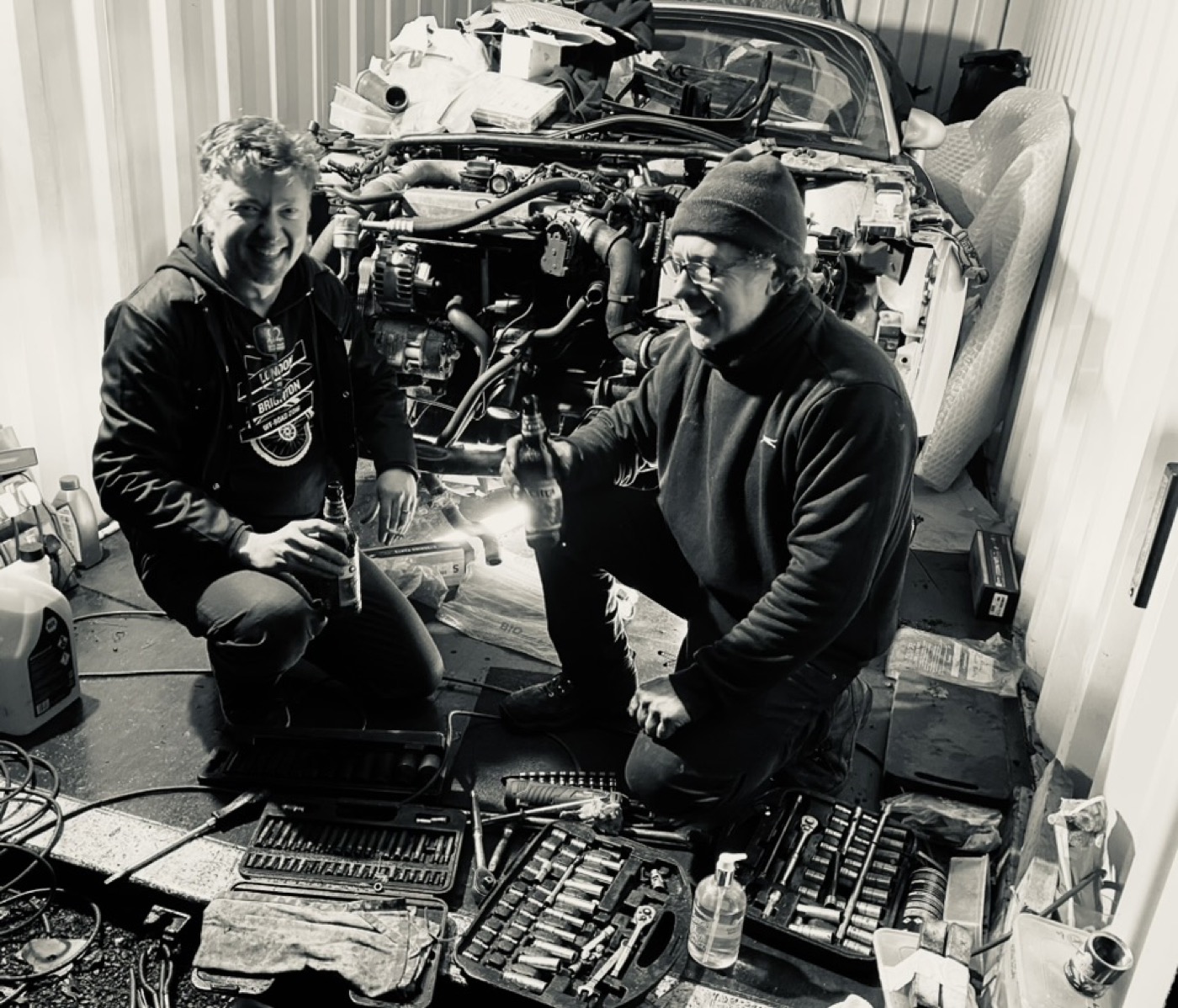
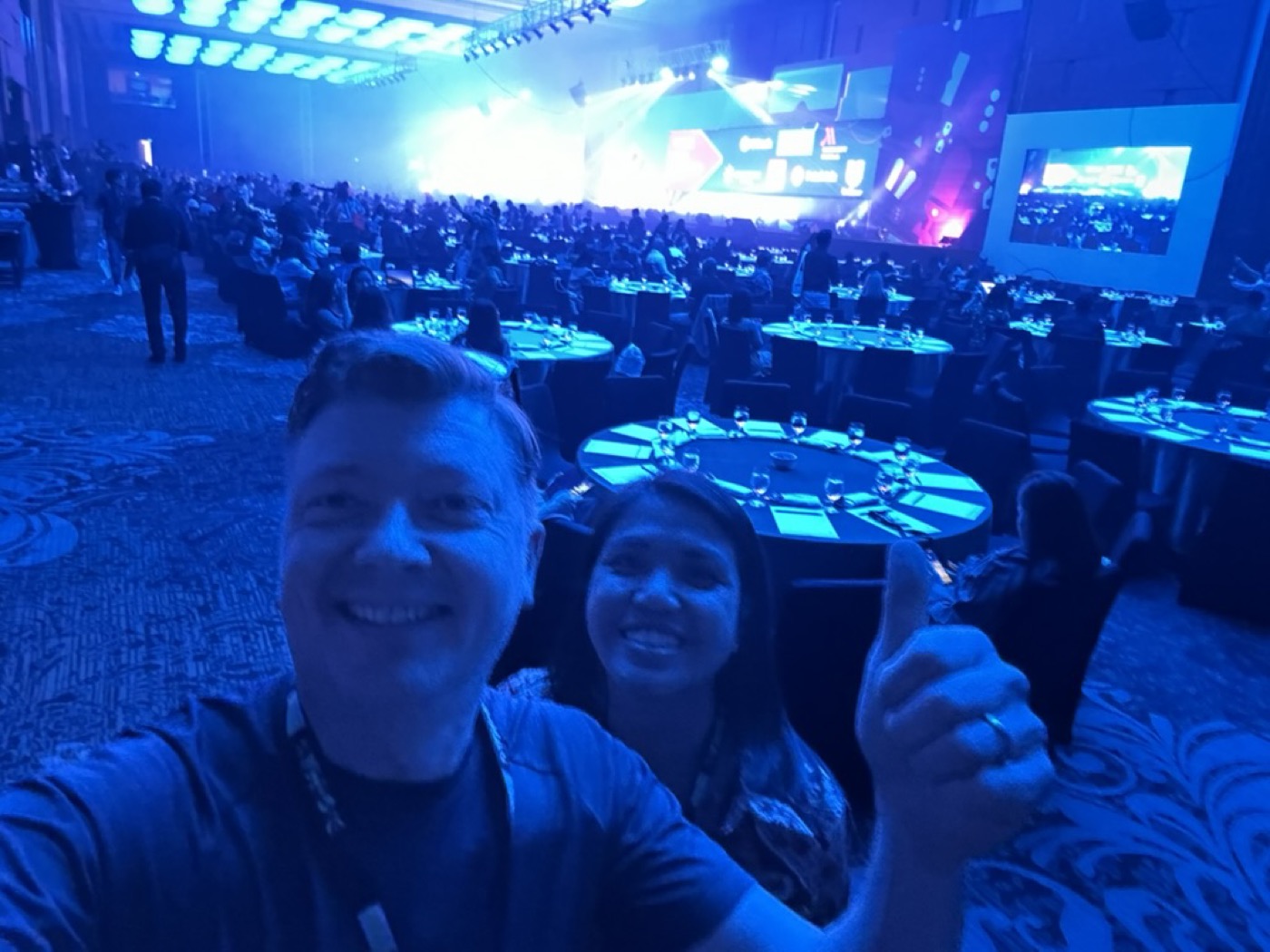
Speaking, building, running, tinkering — the person the products come from.
The products prove the thesis.
See what's been built across the autonomous-systems stack — or start a conversation about what comes next.